

A practical engineering guide to choosing the right fixture based on lifespan, materials, cost, and campaign strategy.
By Yan Luo | Samtop Display
Permanent retail displays last 1–5 years and use durable materials such as MDF, metal, and acrylic with joinery-based construction. Temporary displays last 2–12 weeks and use lightweight substrates like cardboard, PET, or foam board for fast, low-cost deployments. The difference comes down to lifespan, material engineering, structural integrity, cost model, and reusability.
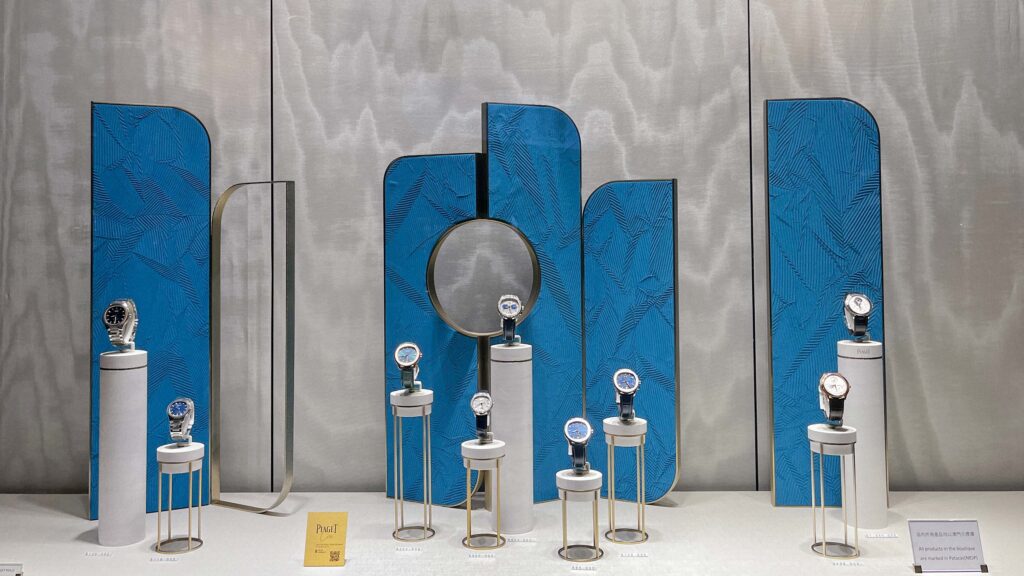
A permanent vs temporary retail display comparison goes far beyond campaign length—it is a structural and materials engineering decision. A mismatch can lead to:
-
overpaying for a short campaign
-
displays collapsing before the promotion ends
-
unnecessary freight and storage costs
-
inconsistent VM execution across regions
At Samtop, we align fixture longevity with campaign goals early—ensuring the right balance between durability, budget, and brand experience.
🟦 1. What Defines a Permanent vs Temporary Retail Display?
🔧 Key Engineering Differences
| Feature | Permanent Display | Temporary Display |
|---|---|---|
| Lifespan | 1–5 years | 2–12 weeks |
| Core Materials | MDF, metal, acrylic | Cardboard, PET, foam board |
| Joinery | Bolted, dowels, CNC joinery | Slot-in, folding, glued |
| Finish | Lacquer, veneer, powder coat | CMYK print wrap |
| Lighting | Wired LED | Optional battery / none |
| Shipping | Crated or pallet | Flat-pack carton |
| Reusability | Multi-year | One-time use |
| Cost-per-unit | Higher upfront, amortized | Low for short-term activations |
👉 Key Insight:
Permanent = engineered for structure & longevity
Temporary = engineered for speed & cost efficiency
🟦 2. Permanent Retail Displays (1–5 Years)
Permanent displays are mini architectural elements inside the store. They must endure thousands of shopper interactions, equipment load, and environmental changes.
🧱 Recommended Structural Engineering
-
MDF or plywood: 12–18 mm thickness
-
Metal frame: 1.2–1.5 mm steel / 2–3 mm aluminum
-
Acrylic: 5–10 mm, UV stable
-
CNC joinery or cam-lock hardware
-
Weight-bearing ≥ 25–60 kg depending on footprint
🌟 Best Use Cases
-
Shop-in-shop counters
-
Luxury skincare & fragrance walls
-
Storage-integrated tester bars
-
Multi-region rollouts
-
Long-term brand zones
💡 Why Choose Permanent?
✔ Long-term cost amortization
✔ Premium finishes (veneer, powder-coat, lacquer)
✔ Durable under heavy traffic
✔ Supports wiring, LEDs, and modular upgrades
🟦 3. Temporary Retail Displays (2–12 Weeks)
Temporary displays deliver maximum speed and visual impact with minimal cost.
🪶 Material Logic
-
Corrugated cardboard (3–5 mm)
-
PET or PVC graphic panels
-
Foam board or honeycomb paper
-
Die-cut shapes for quick assembly
🧰 Structural Features
-
Slot-in or tuck-in joints
-
Foldable, tool-free setup
-
Lightweight (<2 kg per unit)
-
Printed single-season graphics