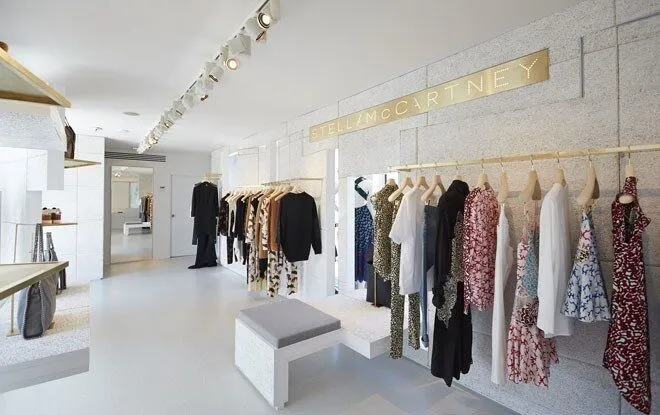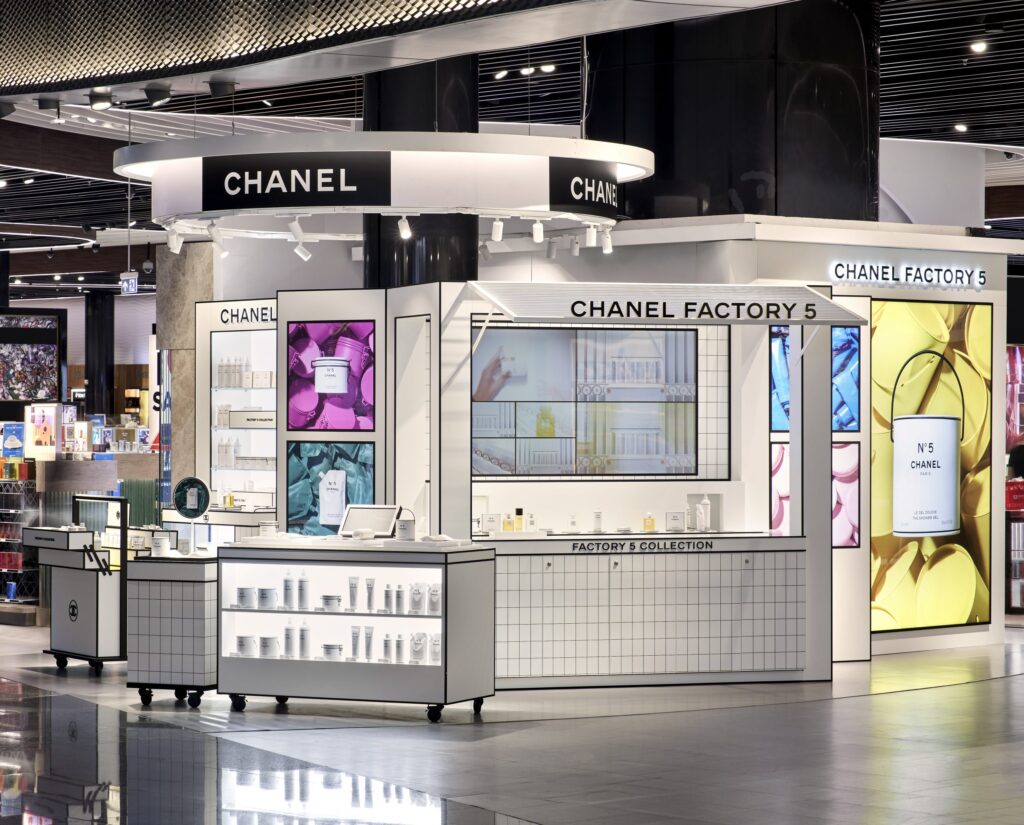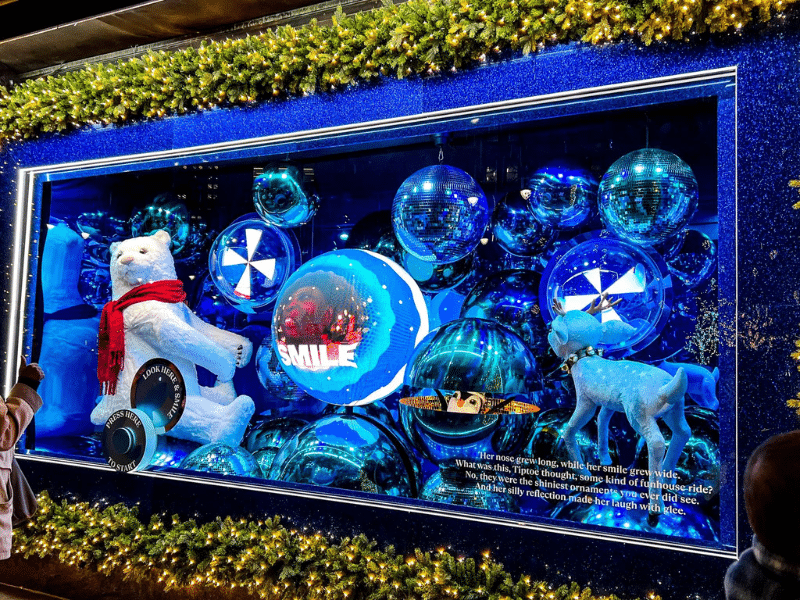

Trade marketing is evolving at a breakneck pace, but procurement officers and retail design agencies face a common challenge: How do you differentiate your retail displays to captivate high-value customers in today’s competitive marketplace? Traditional methods often fail to capture the luxury aesthetic or offer interactive features customers now expect. The solution? Innovations in custom-made trade marketing products that blend technology, creativity, and cost-effectiveness.
The latest innovations in custom trade marketing products include dynamic LED displays, interactive elements, and lightweight faux marble props. These solutions are designed to attract attention, create engaging customer experiences, and offer luxurious aesthetics without escalating costs.
To thrive in the luxury retail market, staying informed about cutting-edge innovations is crucial. Let’s explore how these trends, backed by real-world examples, can transform your retail merchandising strategies and elevate your brand’s visibility.
1. Dynamic LED Displays: Attention-Grabbing Animation
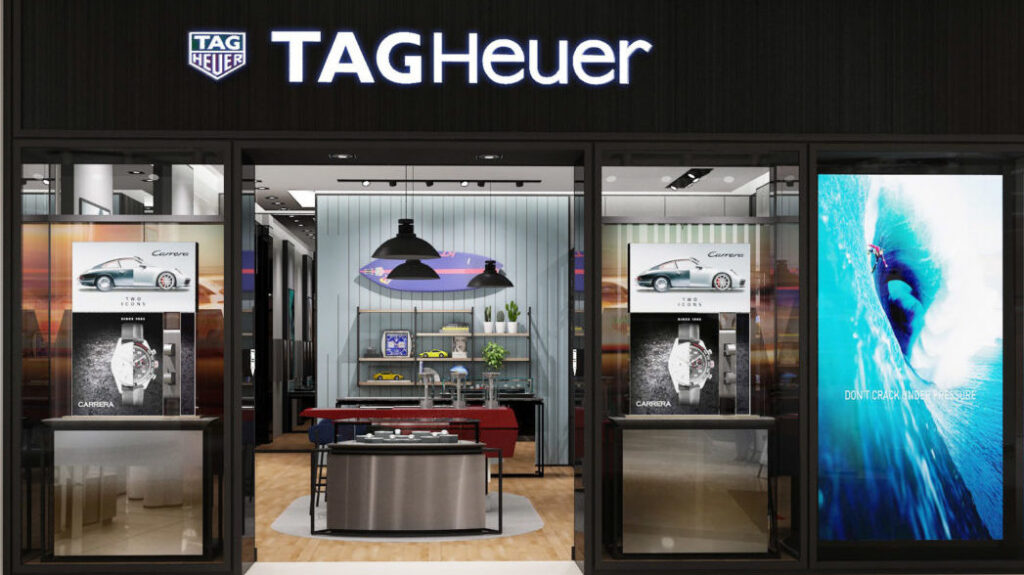
In the realm of luxury trade marketing, dynamic LED displays are a game-changer. These displays bring products to life with vivid animations, ensuring your brand captures immediate attention in high-traffic areas.
- Case Study: TAG Heuer Luxury watch brand TAG Heuer uses dynamic LED screens in its flagship stores. Their displays feature animations of watch mechanisms, showcasing the intricate craftsmanship. This approach not only attracts attention but also reinforces the brand’s image of precision and sophistication.
- Why It Matters: In an environment where first impressions matter, LED displays position your brand as innovative and high-end.
2. Interactive Elements: Immersive Customer Engagement
Static displays are losing their charm. Today’s customers, especially in luxury segments, crave interactive experiences that allow them to engage with a brand on a personal level.
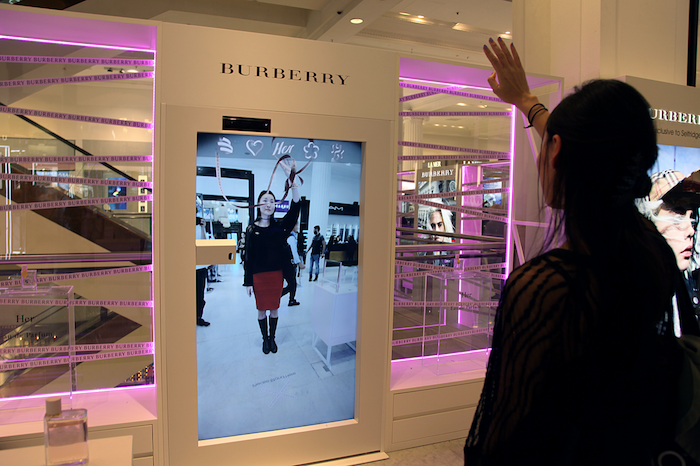
- Case Study: Burberry Burberry’s flagship store integrates interactive AR-powered mirrors, enabling customers to try on digital versions of their clothing. This innovation enhances the shopping experience, driving higher in-store engagement.
- Features: Touchscreens, motion sensors, and augmented reality (AR) elements.
- Impact: Personalization increases dwell time, promotes product discovery, and drives in-store conversions.
3. Lightweight Faux Marble Props: Luxury Without the Cost
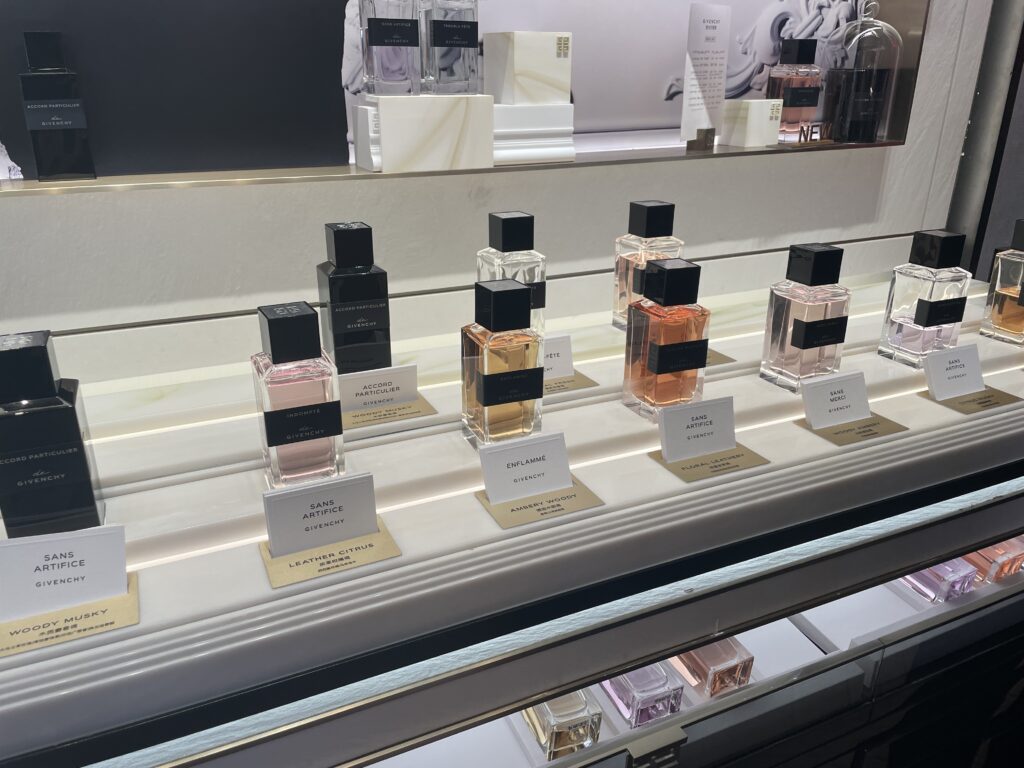
Luxury doesn’t always need to come at a luxury price. Faux marble props replicate the opulence of genuine marble but are lighter, easier to transport, and cost-efficient.
- Case Study: Versace Versace’s fragrance counters incorporate faux marble backdrops to create a high-end aesthetic without the logistical challenges of authentic marble. The lightweight materials allow for easier setup and transportation across multiple retail locations.
- Why Faux Marble?: Offers premium aesthetics while reducing costs and logistical complexity.
4. Integration of Sustainability: Eco-Friendly Displays
The luxury market is increasingly prioritizing sustainability. Custom-made displays now often incorporate recycled materials or are designed for reuse to align with environmental goals.